


Ascent vs VW Atlas
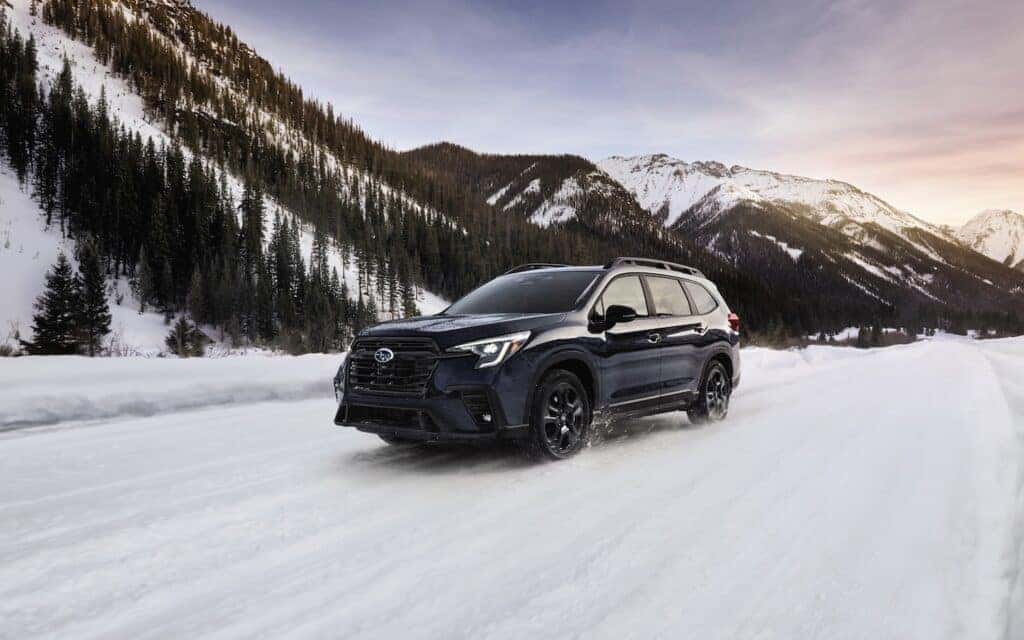
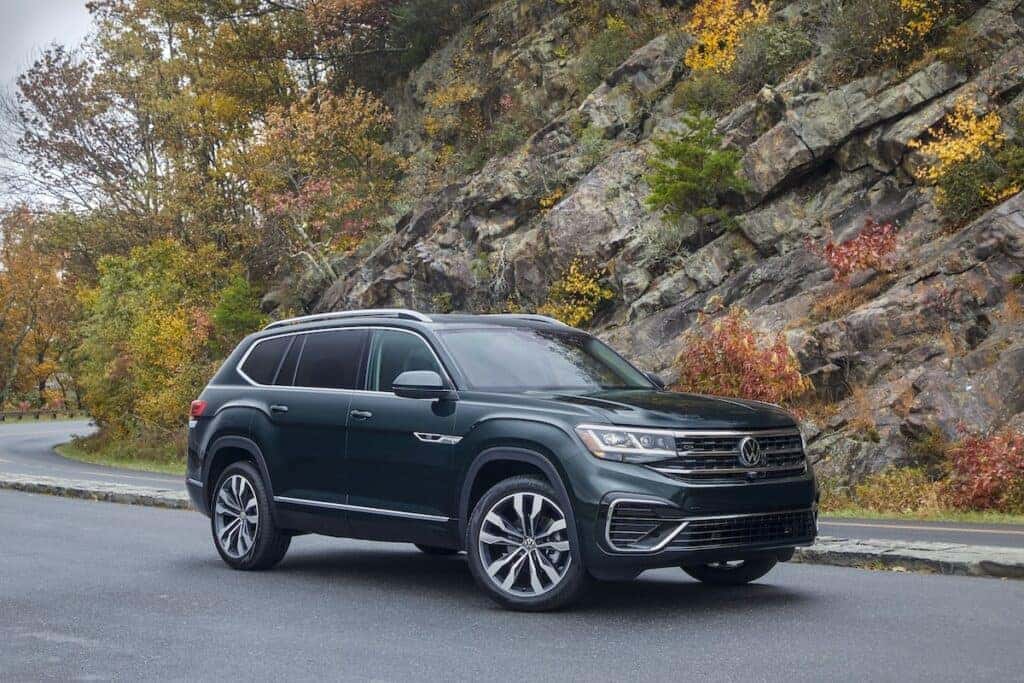
On the surface, the Subaru Ascent and Volkswagen Atlas have much in common. Besides being adjacent to each other in an alphabetical list of model names, both are large 3-row SUVs and the largest model from their respective brands. They are both built in the United States and designed for Americans, which is considered the models’ primary market. In addition, turbocharged 4-cylinder engines power both, they have both been on the market since the 2018 model year. Both models even had their public debut on the same day at the 2017 Los Angeles Auto Show. But if you are in the market for a 3-row crossover, you are likely more interested in the differences between models. Twin Falls Subaru compares the Subaru Ascent and Volkswagen Atlas.
A Lower Price
We will start right off with what matters to everyone. Ascent has a lower-priced entry point. At this writing, we are using 2024 prices in which the Ascent starting MSRP is $34,395, and of course, being a Subaru, that is with Subaru’s Symmetrical All-Wheel Drive. The entry point on the Atlas is a FWD SE model with a starting MSRP of $37,995. Add their 4MOTION all-wheel drive to keep things equivalent, and the price rises to $39,895. For that expenditure, you could bump up to the Ascent Premium, add the 2nd-row captain’s chairs, and still save $1440.
Similar Powertrains
As mentioned, both models are powered by turbocharged 4-cylinder engines. Specifically, the Ascent has a 2.4-liter horizontally-opposed turbocharged 4-cylinder engine that produces horsepower of 277 @ 2000 rpm and torque of 260 lb-ft @ 5600. It is connected to a continuously variable transmission, sending power to all four wheels. The Atlas’s power is very similar. Its 2.0-liter turbocharged inline-4 produces a little less horsepower at 273 @ 1600 rpm and a little more torque at 269 @ 5500. It is connected to an 8-speed transmission and if you live in our area, we will assume you would compare with the model with all-wheel drive.
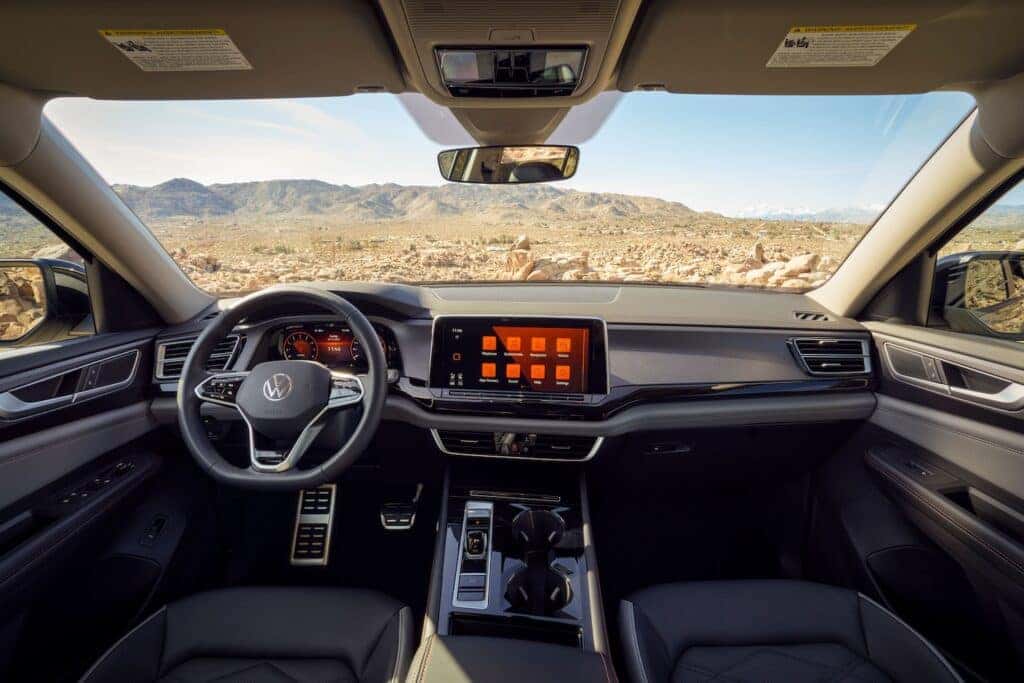
Even the weights are close, with the Ascent Premium coming in at 80 pounds under the Atlas’ 4,517 pounds. It is unsurprisingly that the two AWD models have very similar EPA-estimated fuel ratings, with the Ascent getting 20 city / 26 highway and the Atlas just a little under around town with 19 city / 26 highway.
Capability: Advantage Ascent
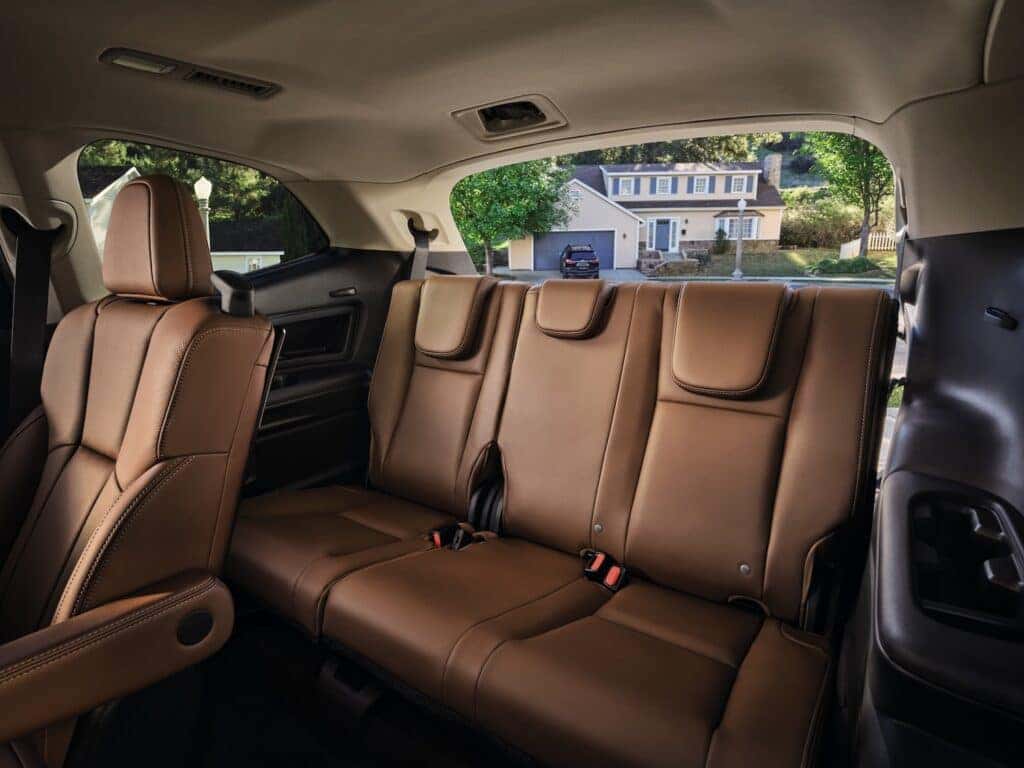
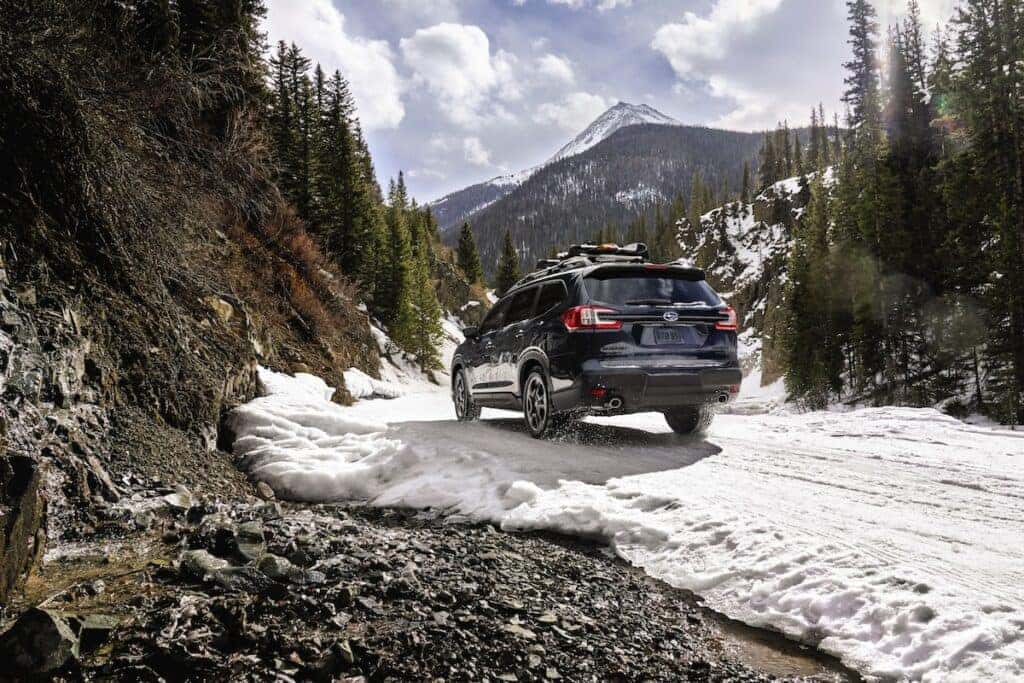
When it comes to capability, the Ascent has some advantages. Generally, all-wheel drive in this type of vehicle is mostly considered for its traction optimization to help keep you on the road. However, Subaru never forgets the two-tracks to your favorite camping site or fishing hole or the two-tracks created after heavy snow, particularly in the Rochester, MN area, so all Ascents have a generous ground clearance of 8.7 inches. By contrast, the VW Atlas’s ground clearance is 6.3 inches, over two inches lower.
If you upgrade to the Ascent Premium, which, as mentioned, you can do for under the price of the base Atlas, the maximum towing capacity is 5,000 pounds, which is well over the Atlas’s 2,000 lb. towing capacity. Also, the Atlas’s maximum passenger capacity is seven, whereas you can seat eight in the Ascent if you do not opt for the second-row captain’s chairs.
Sizing Them Up
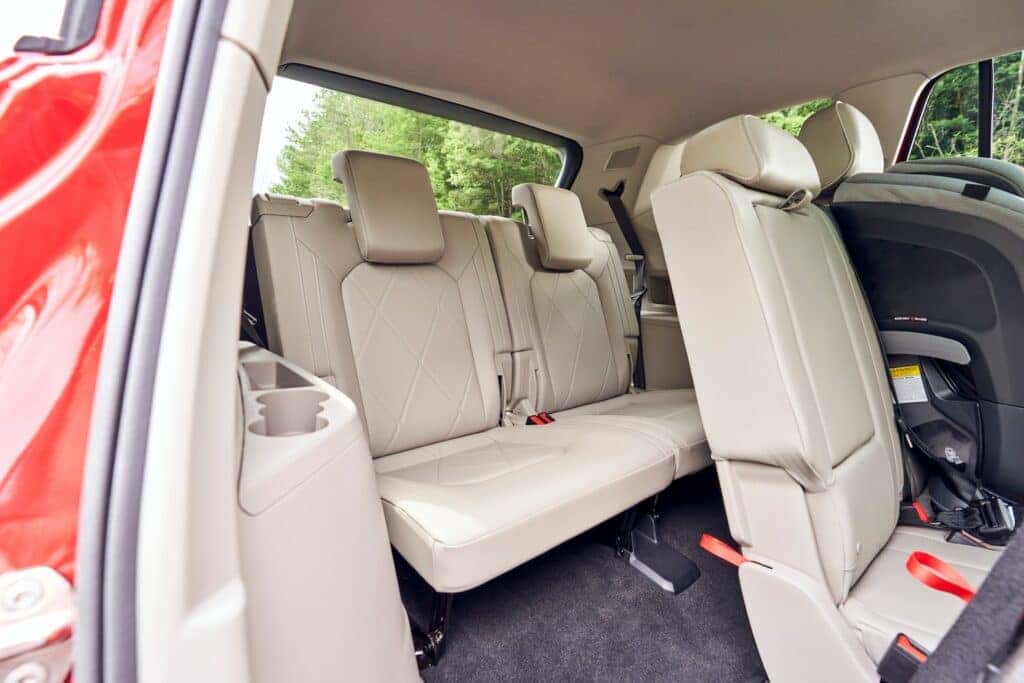
To give the Atlas its due, it is a bigger vehicle, and that manifests itself in greater cargo capacity, from having the 3rd-row seats up to having both 2nd– and 3rd-row seatbacks down. On the other hand, the Ascent has a greater maximum payload capacity of about 380 pounds. Passenger space is about the same. The Ascent offers a little more legroom for the first and second rows, and the Atlas has a little more for the third row. Head and hip room are fractions of an inch from each other. Also worth mentioning on a vehicle this size, the Ascent has a 2.5-foot smaller turning diameter, which can help you maneuver in tight parking lots.
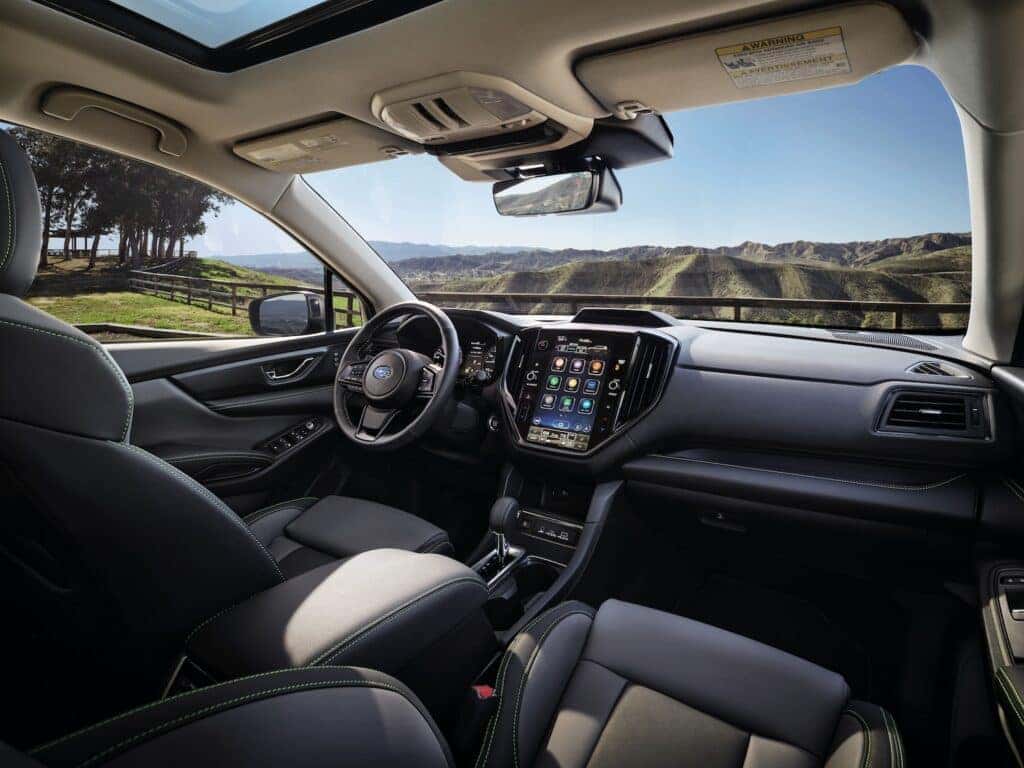
There isn’t much difference between the 11.6-inch touchscreen on the Ascent and the 12-inch screen on the Atlas. Still, the Ascent does provide the convenience of wireless Apple CarPlay and Android Auto compatibility, so you don’t have to plug in your phone each time you get in or risk forgetting it and leaving it in the car when you leave.
Quality Studies and Brand Reputation
Both models come standard with the suite of expected safety and driver technologies, including adaptive cruise control, lane warning and keeping systems, and blind spot monitoring. Both also received overall 5-star ratings from the NHTSA. However, the Ascent has an edge on the Atlas from the Insurance Institute for Highway Safety (IIHS) tests, where it received the IIHAS highest rating of Top Safety Pick +. The Atlas was a Top Safety Pick sans the Plus. The difference was Atlas’ lower “Marginal” rating vs Ascent’s “Acceptable” on the institute’s updated Front Moderate Overlap test.
Finally, there is the JD Power 2024 US Initial Quality Study, where they rate the number of problems per 100 vehicles. The lower the number, the better, and Subaru was rated at 183, which is lower than the industry average of 195, while Volkswagen had a rating of 241. It is worth mentioning that Subaru continues to top Consumer Reports’ brand rankings and experiences one of the highest loyalty of any automotive brand. In both cases, Volkswagen is quite a ways down the list.
So, while Ascent and Atlas have much in common at first glance, there are quite a few reasons to select Ascent, starting with the fact that it costs noticeably less. Take a close look and test drive the Subaru Ascent at Twin Falls Subaru, where, as of this writing, we have several models in our inventory to choose from.
0 comment(s) so far on Ascent vs VW Atlas