



Autoblog Compares the Forester Hybrid and Kia Sportage Hybrid
Hybrids are very popular these days, and compact crossovers are the most popular category in the industry, so AutoBlog decided to compare two hybrid compact crossovers to see which one was better. The Forester Hybrid and the Kia Sportage Hybrid models are not from the two biggest brands in the segment, but each model has its own unique heritage. Twin Falls Subaru summarizes this comparison.
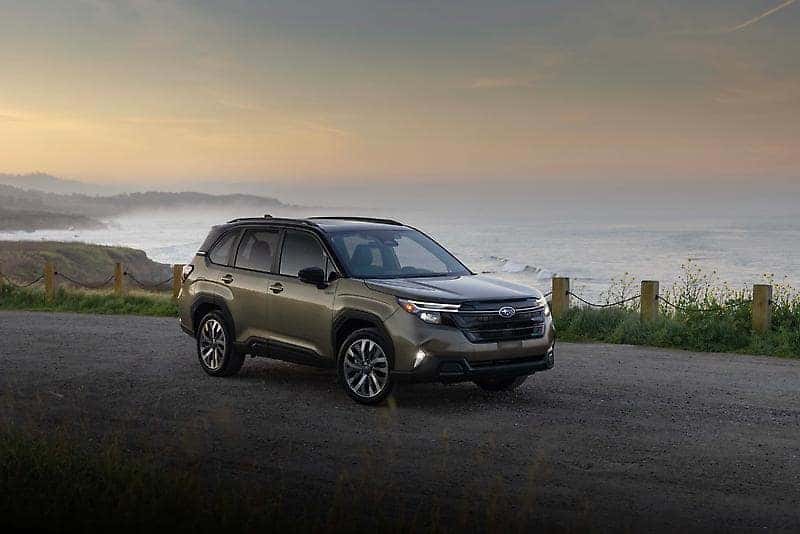
The Forester was the first purpose-built crossover SUV from the brand that pioneered all-wheel drive, daily-driving cars. People in northern and mountain states had already been using them to conquer unplowed snow-covered roads and untamed mountain trails before the term “SUV “was a thing. Now in its sixth generation, the Forester has a solid reputation for straightforward design, large windows, and notable off-road confidence thanks to its standard Subaru Symmetrical All-wheel Drive system.
Along with the first Toyota RAV4, the Kia Sportage is a founding member of the compact SUV segment. The first model was a true SUV with body-on-frame construction, part-time 4-wheel drive with Warn hubs, and a two-speed transfer case. It even competed in the Paris-Dakar Rally. That lasted only one generation, and since then, the Sportage has been built on a compact-car front-drive platform with available AWD and an urban persona that never looked back at its off-road-tackling origins.
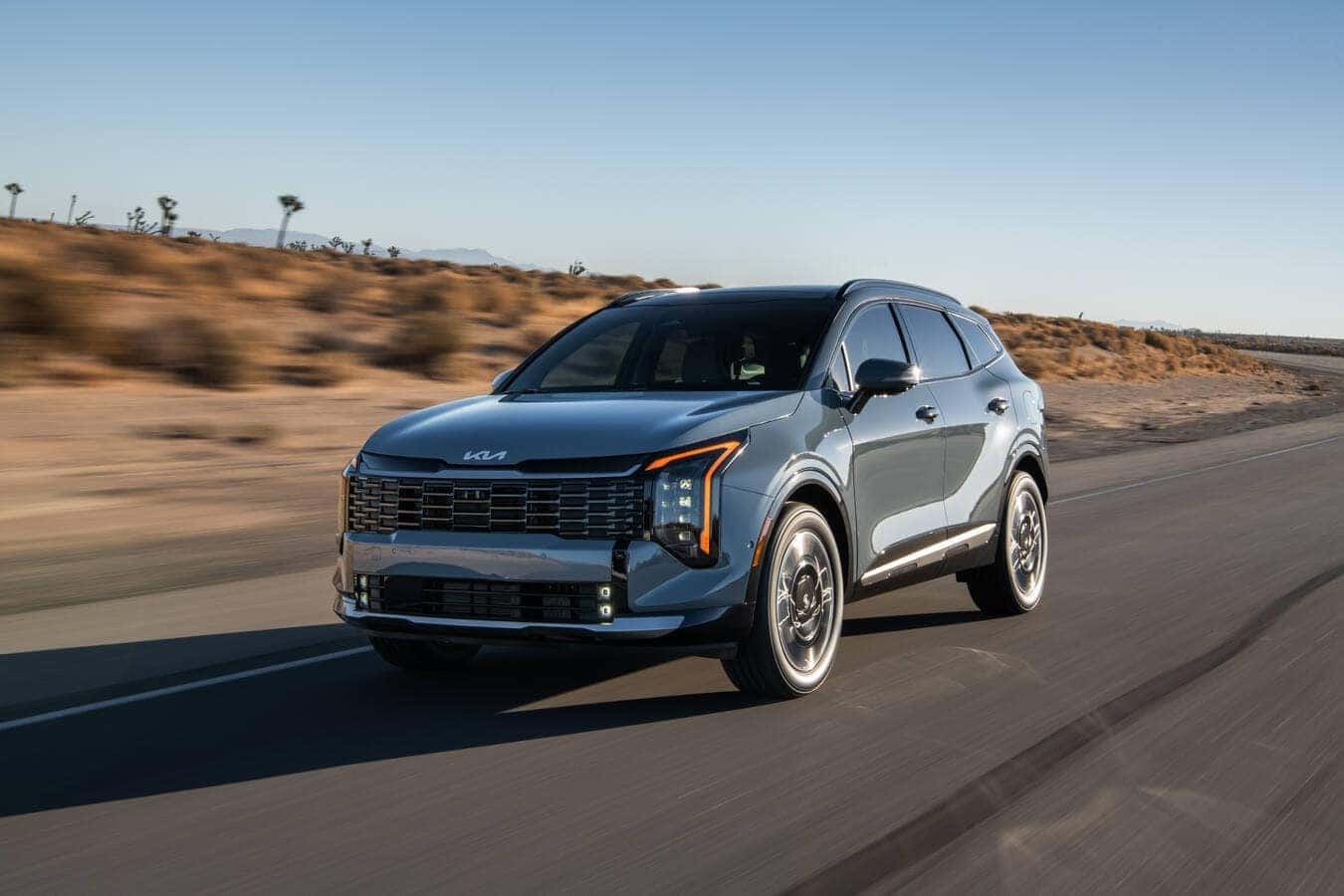
These are two compact, two-row hybrid crossovers designed to offer practical daily transportation for five passengers and/or cargo, likely targeting similar shoppers. However, the backgrounds of the two vehicles closely align with their current models, making it clear that each has its own approach to the segment.
The Sportage is the larger of the two, with about an inch more length, a 3.4-inch longer wheelbase, and about 1.3 inches greater width. The Forester, however, is almost three inches taller, which the Forester uses to its advantage with big windows that make the cabin feel more spacious. The Sportage’s high beltline and upward swing of the rear quarter windows look sporty, though they limit the outward view from the inside.
Despite being narrower on the outside, the Forester provides about an inch more shoulder room for the rear seats. The Sportage’s rear legroom of 41.3 inches beats the Forester’s 39.4 inches, though anything around 40 inches will fit adults handily.
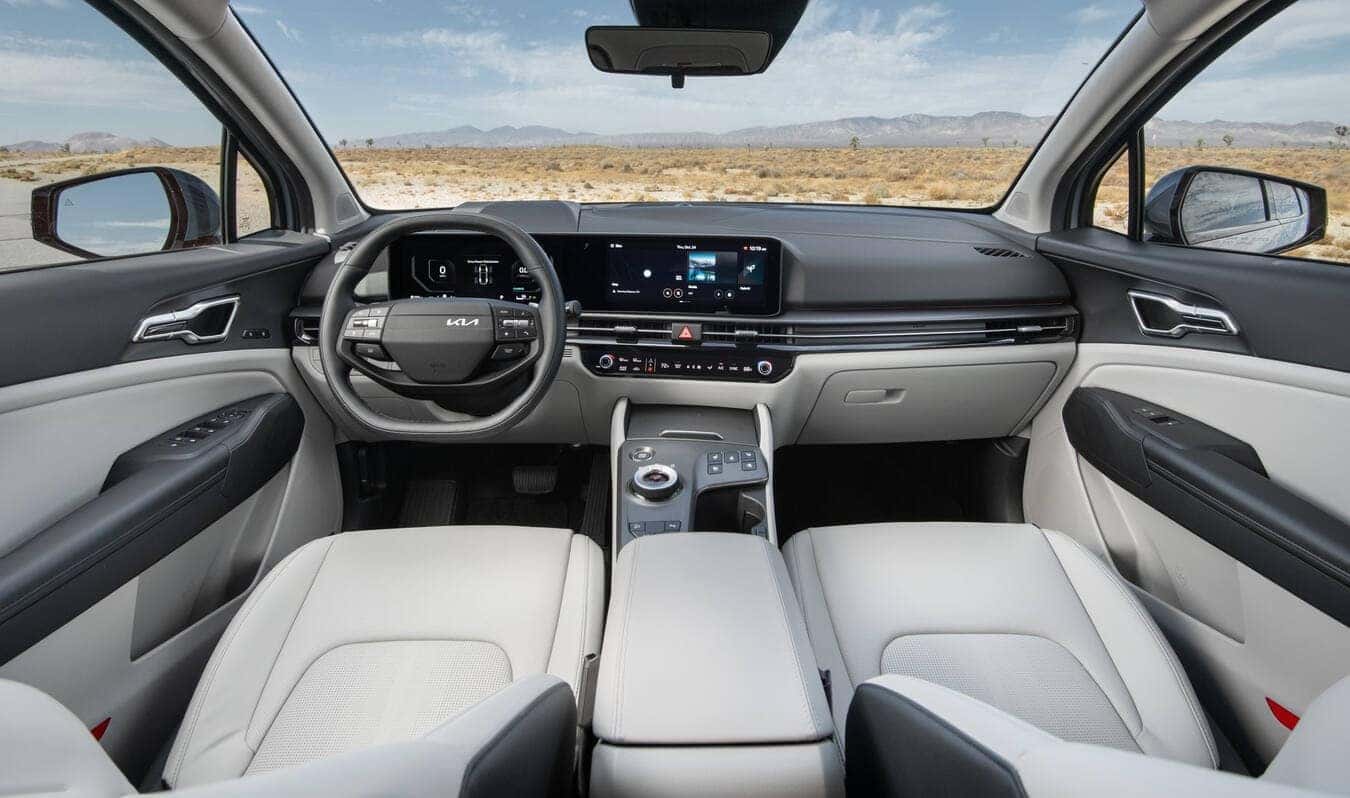
The Sportage offers more cargo space, with 39.5 cubic feet behind the second row compared to 27.5 cubic feet for the Forester. With the second-row seats folded down, the gap narrows: the Sportage offers 73.7 cubic feet, compared to 69.1 for the Forester. But the Forester’s upright rear design is better for hauling bulky items.
The Sportage is powered by a 1.6-liter turbocharged inline-4 engine combined with two electric motors. The total system produces 231 horsepower and 271 lb-ft of peak torque and is paired with a conventional 6-speed automatic transmission.
The Forester hybrid starts with the brand’s venerable 2.5-liter horizontally opposed 4-cylinder engine, paired with a single electric motor, producing 194 horsepower and 199 lb-ft of torque. Power runs through a continuously variable transmission before being sent to all four wheels. While some hybrid crossovers use a rear-mounted motor to create all-wheel drive, both the Forester and Sportage use mechanical all-wheel drive systems.
The Sportage has a clear power advantage and accelerates more strongly than the Forester. It has the lag & surge power delivery typical of small turbocharged engines, though the hybrid system’s electric motors can mask the turbo lag a bit. The Forester is tuned for smooth delivery and linear throttle response, which are characteristics of naturally aspirated engines and CVTs. Both models deliver EPA estimated 35 mpg for both city and combined ratings, with the Sportage delivering a 36 mpg city figure to the Forester’s 34. The FWD Sportage beats them both with 42 combined mpg, but it is only available on the base trim level.
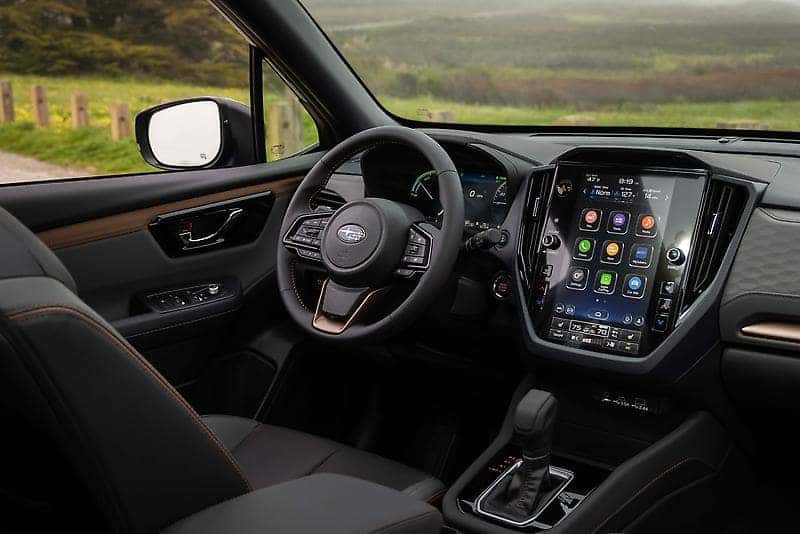
Autoblog noted the Sportage’s modern dash design with dual 12.3-inch digital displays for the driver and center touchscreen, and abundant soft surfaces. The Forester uses analog gauges and the 11.6-inch vertical center touchscreen, while the interior reflects an outdoor lifestyle. “Materials emphasize durability, especially if you choose more outdoor-oriented trims that include water-resistant upholstery and rubberized surfaces.” Says Autoblog.
Both models come standard with a full suite of driver assistance and safety technologies that work well. The Sportage has Kia’s industry-leading 10-year/100K-mile powertrain and 5-year/60K-mile warranties, but Subaru has a better reputation and reliability ratings.
After testing both vehicles, Autoblog concludes that the Sportage “will appeal to commuters, small families, and drivers who rarely leave paved roads and want a comfortable, refined daily driver with a long warranty and a lower price of entry.” Regarding the Forester, they state: “Standard all-wheel drive, excellent visibility, real-world cargo practicality, and a calm, confidence-inspiring drive in bad weather or on dirt and gravel make the 2026 Subaru Forester Hybrid the one to choose. It is the better fit for outdoorsy owners, snowy climates, and buyers who value straightforward utility and long-term usability over a flashy cabin.”
We take that as saying that The Forester is better at what crossover SUVs were intended to do and how many Subaru owners use them. Visit Twin Falls Subaru to test-drive the Forester Hybrid for yourself.
0 comment(s) so far on Autoblog Compares the Forester Hybrid and Kia Sportage Hybrid