


The Differences Between the Forester and Forester Hybrid
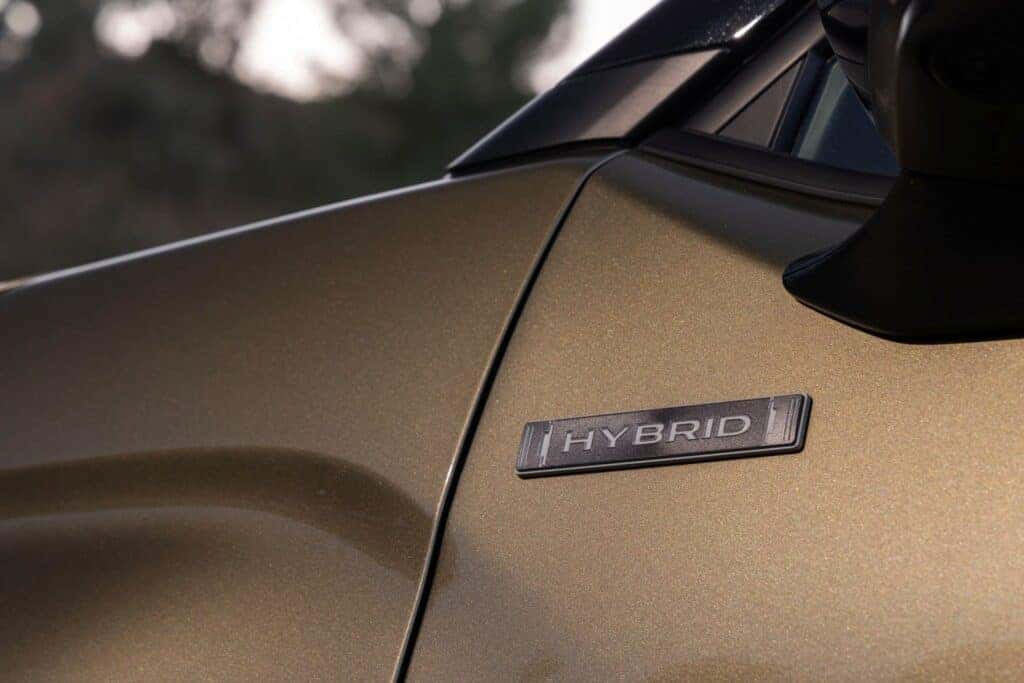
The Forester is Subaru’s second best-selling model (after the Crosstrek) and belongs in the most popular vehicle category in the industry—the compact crossover segment. A notable feature in this segment is a hybrid drivetrain, which the Forester now offers. While improved fuel efficiency is the most noticeable difference between the hybrid and non-hybrid Forester, Twin Falls Subaru wants to highlight some other differences between these two models that you may not be as familiar with.
Fuel and Power
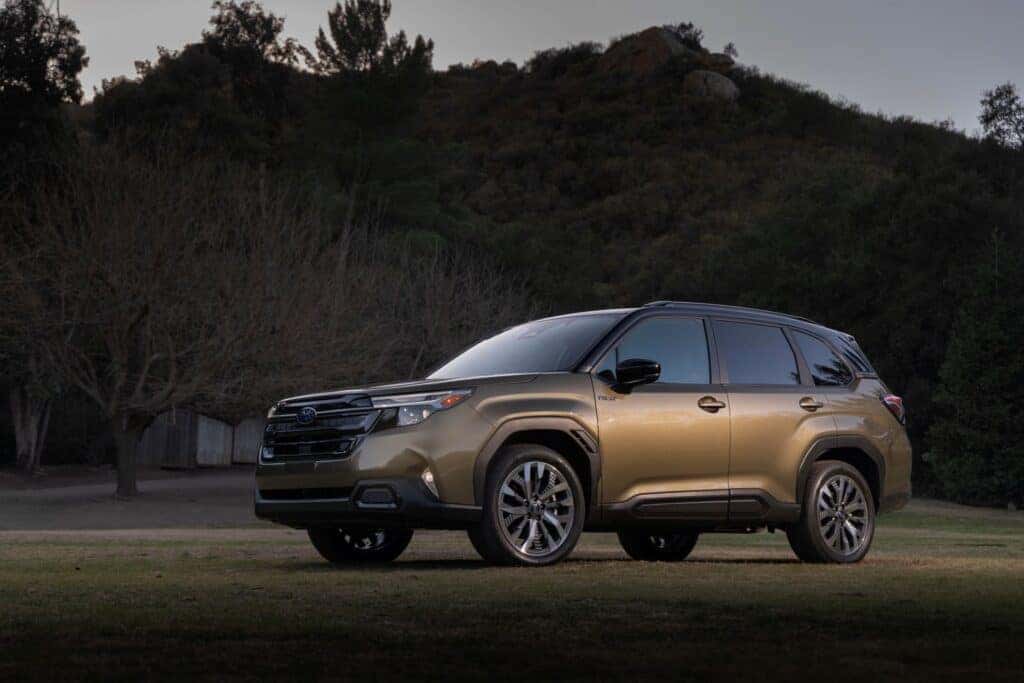
But first, let’s address the most obvious difference. Looking at the Limited trim level (the least expensive trim available with both hybrid and non-hybrid drivetrains), the non-hybrid model has an EPA-estimated city/highway/combined fuel mileage of 26/33/29 mpg. The hybrid drivetrain improves this to 35/34/35 mpg. You’ll notice that the most significant difference is the 9 additional city mpg, a 40% increase. This occurs because the stop-and-go nature of city driving allows the hybrid to capture energy each time you brake or decelerate. It then uses this energy to assist in acceleration, which is when fuel consumption is the highest.
The hybrid drivetrain adds 14 more horsepower (194 vs. 180) and 16 more lb-ft of torque (194 vs. 178). Additionally, the electric motor’s torque is instantly accessible, making the Forester hybrid noticeably livelier in city driving. It’s worth noting that while many hybrid models achieve all-wheel drive (AWD) by placing the electric motor at the rear wheels, the Forester maintains Subaru’s mechanical Symmetrical All-Wheel Drive system.
Digital Driver Display
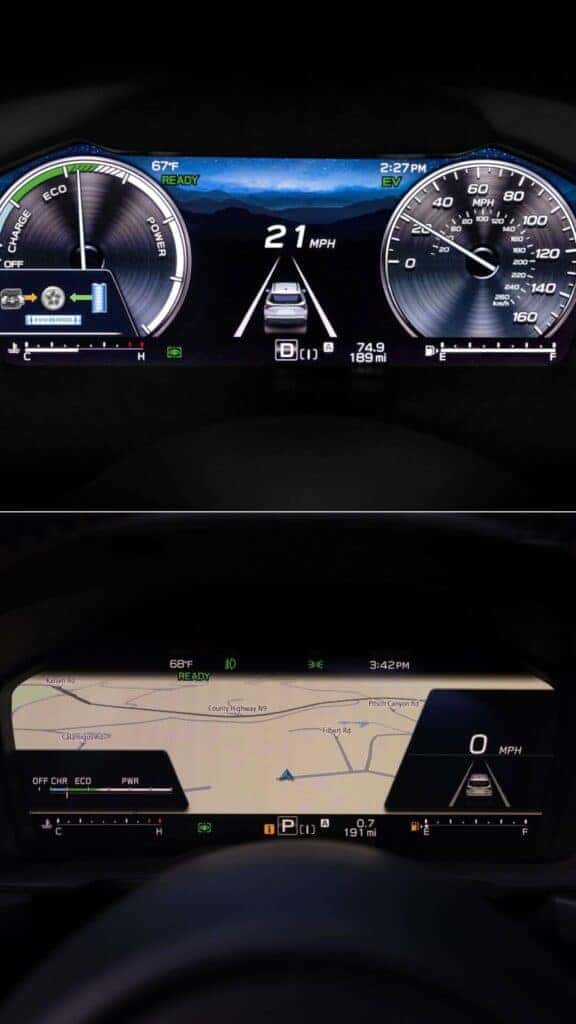
If you are familiar with the non-hybrid Forester, likely the first thing you will notice about the hybrid model is the standard fully digital display. This display can be configured in three different ways.
- Normal Display – This looks similar to the analog display, featuring two large round virtual gauges. The speedometer remains in its previous position, while the power/charge gauge takes the place of the tachometer. This gauge indicates the power drawn from the engine or shows when the battery is receiving a net recharge from braking or deceleration.
- Map Display – The conventional driver interface is minimized and positioned in the lower corners to accommodate the map display from the on-board or smartphone-based navigation system. This ensures the safety and convenience of having visual navigation guidance directly in front of you. The center screen can either mirror this image or display alternative content.
- EyeSight Display – This highlights the graphics of the EyeSight system, including features like Adaptive Cruise Control and Lane Keeping Assist, while still providing essential driver display information.
Fuel Filler Door Button
If you’re familiar with recent Subaru models, you know that the fuel filler door opens simply by pushing it from the outside (when the doors are unlocked). Models from most other brands have you unlock the fuel door with a button inside the cabin. The Forester Hybrid adopts the latter approach, featuring a fuel filler door control to the left of the steering wheel. Pressing the button illuminates a message that says, “Preparing for Refueling, Please Wait.” This lasts about a second before changing to “Start Refueling.”
The change has to do with how the fuel system is pressurized with a hybrid drivetrain. Again, the preparation mode is very brief, far shorter than the time it takes you to walk around the car to the fuel filler door.
No Auto Start/Stop Control
The auto start/stop system in the non-hybrid Forester shuts off the engine when you come to a stop and restarts the engine instantly when you press the accelerator pedal. The aim is to reduce fuel waste and emissions. However, some people don’t like the sensation of the engine restarting, so there is a control to disable the system. The hybrid model features auto start/stop at all times, but it operates slightly differently. As you pull away from a stop smoothly, the vehicle will first run on the electric motor alone and quickly restart the engine once you are moving. This approach is far less intrusive while still achieving fuel economy and lower emission targets.
Regenerative Braking
Like all hybrids and EVs, the Forester Hybrid features two braking systems. The regenerative braking system is the first to engage; it harnesses the force of the turning wheels to cause the motor to operate as a generator, producing and sending electric energy into the battery. Conventional friction brakes then activate to bring the car to a complete stop and are used for hard or emergency braking.
No Spare Tire
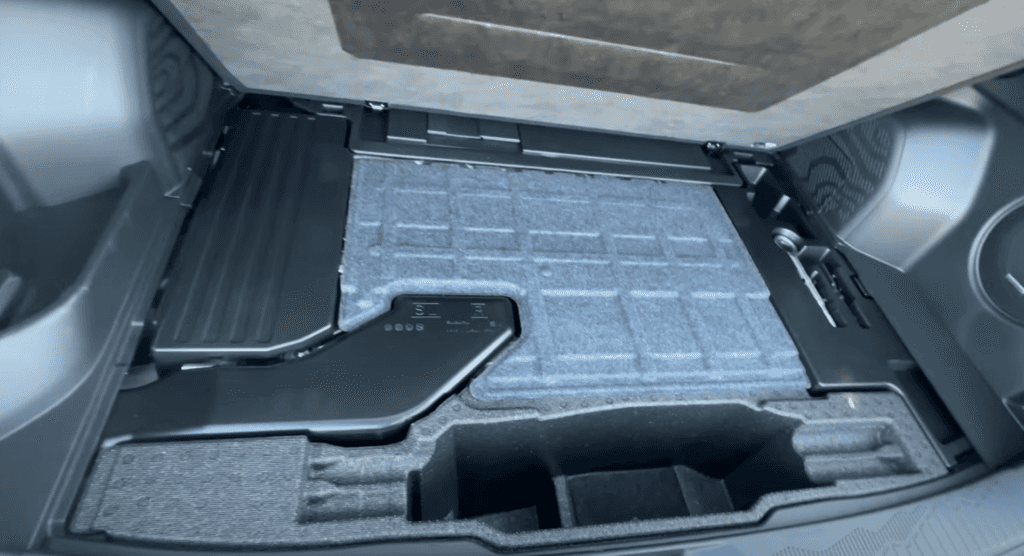
This can be summed up by, “The 1.1-kWh battery has to go somewhere.” Subaru did not want to intrude on gas tank size (the model has an estimated total range of 581 miles) or cabin space. Instead of a spare tire, there is a repair kit and power pump, which is common in many new models. This should be sufficient for over-the-road use. If you go off-roading, you may want to add a spare tire in the cargo area.
It Costs More
The addition of the battery, motor, and all else involved with the hybrid system adds $3,315 to the purchase price (again, looking at the Limited trim). Based on average mileage (14,417 miles annually), the average cost of regular fuel ($3.327 per gallon), and the difference in combined fuel economy, this adds up to savings of $279 per year. Taken alone, you would make up the cost difference in just under 12 years. That may not seem compelling, but there are mitigating factors: driving a more powerful model, variable fuel costs, and generally higher resale value.
Now that you have a better understanding of the Forester Hybrid, we invite you to test drive both it and the non-hybrid Forester at Twin Falls Subaru in Twin Falls, Idaho.
2 comment(s) so far on The Differences Between the Forester and Forester Hybrid
Excellent display and model information. Do you have teaching disc for helping with the safety features?
Mainer loving your extra site effort. Bravo 12/20/25
Not sure what you may be wanting as far as a teaching disc, if you chat in we can get some further details and see how we may be of service